Discover National Ballpark Museum for one of the top destinations for baseball fans
Discovering America's Heritage at the National Ballpark Museum
The National Ballpark Museum provides a distinctive perspective into America's baseball legacy. Through its collection of artifacts and exhibits, guests can explore the sport's evolution alongside social transformations. Iconic jerseys and rare pictures share narratives of legends and their impact on the game. As groups engage with interactive displays, they uncover how baseball remains intertwined with American culture. What insights might this museum reveal about the future of the sport?
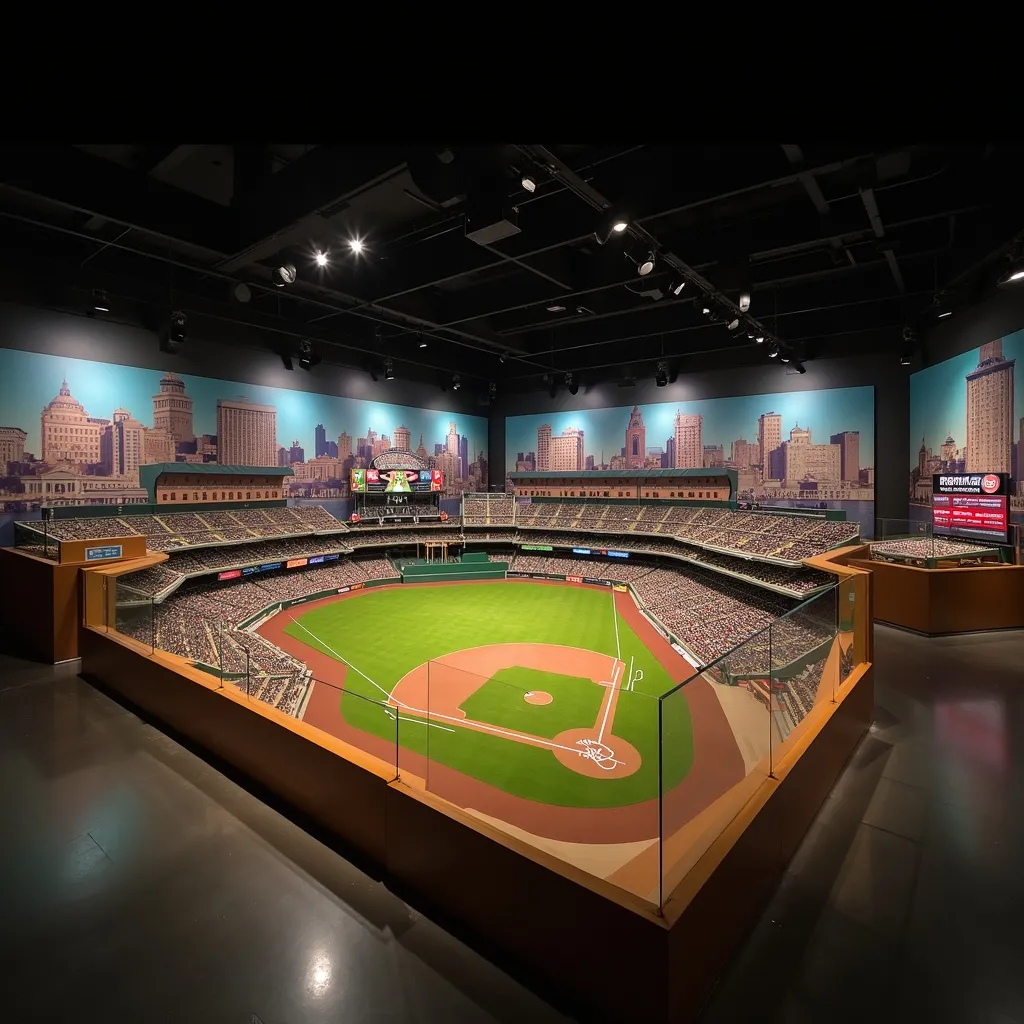
The Notable Traditions of Baseball in America
Baseball, commonly known as America's pastime, has a rich history that intertwines with the cultural fabric of the nation. Developing in the 1800s, the sport quickly gained popularity, capturing the cultural shifts and local characteristics of the time. The establishment of organized competitions transformed baseball into a foundation of American entertainment, with the National League forming in 1876 and the American League following in 1901.
Major occasions, such as the integration of baseball in 1947 with Jackie Robinson, represented considerable cultural shifts, resisting conventional norms and advancing civil rights. The game has also experienced celebrated figures, from Babe Ruth to Hank Aaron, whose impacts reverberate beyond the diamond. Iconic ballparks have held countless memorable moments, fostering a communal experience for fans. Overall, baseball functions as a mirror of American history, encapsulating triumphs, struggles, and the lasting spirit of a nation bound by its love for the game.
Iconic Sports Collectibles You Can't Miss
While recollections of legendary games and historic moments remain in the minds of fans, celebrated baseball collectibles serves as tangible connections to the sport's rich heritage. The National Ballpark Museum houses an noteworthy gathering, featuring items that capture the essence of baseball's yesteryear. Visitors can marvel at period jerseys displayed by Hall of Famers, each thread conveying a story of triumph and perseverance. Inscribed balls, preserved in glass cases, grant insights into personal connections between players and fans, while rare photographs immortalize pivotal moments in baseball history.
Among the notable elements are winning bands, capturing the pinnacle of excellence, and historical game tickets that transport visitors back to unforgettable games. Each treasure prompts reflection and gratitude for the game's advancement. This thoughtfully curated collection not only presents the sport's defining moments but also triggers nostalgic emotions, alerting visitors of the enduring legacy of America's pastime.
Get to Know the Legends: How the Museum Commemorates Baseball Icons
Homage to baseball icons permeates the atmosphere of the National Ballpark Museum, where visitors are encouraged to explore the lives and accomplishments of the sport's most iconic figures. The museum features engaging exhibits that highlight the careers of baseball stars, providing artifacts, photographs, and interactive displays that bring their stories to life. Each section is meticulously curated to reflect the unique contributions of players such as Babe Ruth, Jackie Robinson, and Hank Aaron, showcasing their impact both on and off the field.
The museum also organizes special events and guest speakers, giving fans the chance to listen to firsthand accounts and insights from former players and historians. This commitment to honoring baseball icons creates a deep connection between visitors and the legends who crafted the game. Through its immersive environment, the National Ballpark Museum assures that the legacy of these players motivates future generations of baseball enthusiasts.
Learn the Ways Baseball Stadiums Have Developed
Baseball has advanced throughout the decades, and its stadiums have experienced considerable transformation to fulfill the shifting preferences of fans and players alike. Early ballparks were typically straightforward, featuring wooden bleachers and sparse amenities, constructed essentially for the game itself. Yet, as the sport rose in popularity, stadiums started to introduce additional features, including upgraded seating options, concessions, and restrooms, boosting the overall experience.
The introduction of innovative technology produced significant enhancements, including video screens and refined sound infrastructure. From an architectural standpoint, stadiums matured from the conventional, balanced designs to increasingly tailored, spectator-centric configurations, building captivating atmospheres that demonstrate local cultural identity. The surge of corporate partnerships also shaped planning, with executive boxes and top-tier accommodations turning into the standard. Today, stadiums serve as multi-purpose venues, facilitating entertainment and exhibitions beyond baseball, stressing their adaptability and cultural importance in American life. This transformation conveys not just a sport, but a thriving civic space.
Family-Welcoming-Activities at the National Ballpark Museum
The National Ballpark Museum features a variety of family-friendly pursuits that celebrate the rich history of baseball and its distinguished stadiums. Families can delight in interactive exhibits that invite children to get involved with the sport's history through tactile experiences. A scavenger hunt throughout the museum inspires young visitors to locate artifacts and understand celebrated figures and historic moments.
Furthermore, the museum hosts educational workshops where children can improve their baseball skills, learn the science of the game, and take part in storytelling sessions about famous teams and their achievements. Special events, such as family days, often include guest speakers from the baseball community, contributing a personal touch National Ballpark Museum CO to the experience. With its lively environment and assorted activities, the National Ballpark Museum inspires a love for baseball, making it an ideal destination for families looking to enjoy time together over America's favorite pastime.
Plan Your Visit to the National Ballpark Museum
Thinking about how to maximize a tour to the National Ballpark Museum? Visitors are recommended to check the museum's web portal for present hours and admission fees before organizing their visit. Located in Denver, Colorado, the museum is easily accessible via public transportation and offers adjacent parking options. It is advisable to dedicate at least two hours to explore the extensive exhibits, which feature baseball history and memorabilia.
For people seeking a guided experience, the museum offers knowledgeable tours that investigate further into the artifacts. Families can appreciate participatory installations, making it a unforgettable visit for all ages. Additionally, visitors should consider timing their visit to align with special events or rotating exhibitions for an enhanced experience. Finally, the museum shop provides distinctive keepsakes for fans to carry away, ensuring that the visit leaves a lasting impression.
Commonly Sought Questions
What Time Is the Museum Open?
The museum functions from 10 AM to 5 PM, Tuesday through Sunday. It remains closed on Mondays, allowing staff to preserve displays and prepare for the next day's guests eager to discover its offerings.
What is the Admission Fee for Visiting the Museum?
The museum levies a modest admission fee for entry. Patrons can savor a rich assortment of historical artifacts and exhibits, expanding their comprehension of the sport's impact on American culture and history.
Are there professional tours provided at the Museum?
Guided tours are available at the museum, providing visitors with an in-depth encounter. Expert guides share perspectives and stories about the exhibits, enriching the appreciation of baseball history and its cultural significance.
Is it Possible to Purchase Souvenirs at the Museum?
Souvenirs are available for purchase at the museum. Visitors can find a variety of memorabilia, including apparel, collectibles, and themed items, enabling them to take home a piece of the memory from their visit.
Is the Museum Wheelchair Accessible?
The museum is wheelchair accessible, ensuring that all guests can explore its displays with ease. Ramps and designated pathways are provided, promoting inclusivity and allowing everyone to appreciate the rich history displayed within its spaces.